
Start with people, not paint
After a deer strike, concentrate on the people in the vehicle and your position relative to traffic. Move out of the travel lane only if you can do so without creating another hazard, switch on your hazard lights, and contact emergency services for injuries or an obstructed roadway. Stay away from the deer, including an animal that appears motionless. Do not walk along the shoulder collecting fragments or step into traffic for a better photograph. If the car has leaking fluids, loose bodywork, damaged lights, unusual steering, or warning messages, arrange professional transport rather than using the drive home as a test of its condition.
A car that starts may still need an inspection
A deer can contact several heights on the front of a vehicle during the same event. A bumper cover may spring back while brackets, absorbers, or parts behind it remain displaced. A dented hood can affect its latch, and a broken lamp can involve mounting points beyond the visible lens. The cooling system and nearby wiring also deserve attention when the impact reaches them. None of these possibilities establishes the repair scope from a photograph. They explain why an estimate starts with visible observations and may develop as components are removed and the connected areas become accessible for examination by the repair team.
Photograph the story clearly
Once the immediate scene is settled, record where the impact occurred and which direction you were traveling. Photograph the whole car before concentrating on the damaged corner. Include the hood, grille, headlights, windshield, mirrors, and adjoining panels when they are involved. A wider picture preserves the relationship between parts; a close picture captures cracks and displaced edges. Keep original image files and write down any noises or dashboard messages you noticed immediately afterward. If responders provide an incident number, save it with these notes. Describe an animal impact accurately instead of trying to classify the claim yourself or guessing how fast the deer was moving.
Ask your insurer about the claim
When reporting the loss, separate what you witnessed from what you discovered afterward. Give the location, the animal involved, the damaged areas, and whether the vehicle has been transported. Ask the claim representative which photographs or incident records they need and where those materials should go. Record the claim number and a reliable contact method. Discuss the deductible, transport arrangements, and rental questions directly rather than borrowing assumptions from another driver's experience. Save messages in one folder so that a later conversation about an additional damaged part refers to the same event and documentation, not a reconstructed version of the story.
Prepare for a body-shop conversation
For the first conversation with Car One, have the year, make, model, and current location of the car ready. Explain whether the hood opens normally, whether a lamp is broken, and whether anything is rubbing or hanging down, without manipulating damaged pieces to answer those questions. Car One provides free estimates at 55 Pelham Rd in Salem, New Hampshire, near Exit 2 off I-93. The shop has served customers since 2004. A useful estimate discussion distinguishes visible repairs from areas that still need examination, giving you a clearer picture of what is known and which findings could change the work description.
Make the handoff straightforward
Arrange the vehicle handoff before sending a tow truck or asking someone to bring the car over. Confirm where it should be left and how the keys and claim information should reach the team. Remove daily essentials from accessible compartments, including medication, work equipment, parking passes, and child belongings you will need elsewhere. Take your house keys off the vehicle key ring. Mention accessories such as an aftermarket grille or added lighting because those details can affect parts identification. Keep a personal copy of documents you provide, and choose one phone number or email address for repair questions so messages reach the right person.
Look beyond the first damaged panel
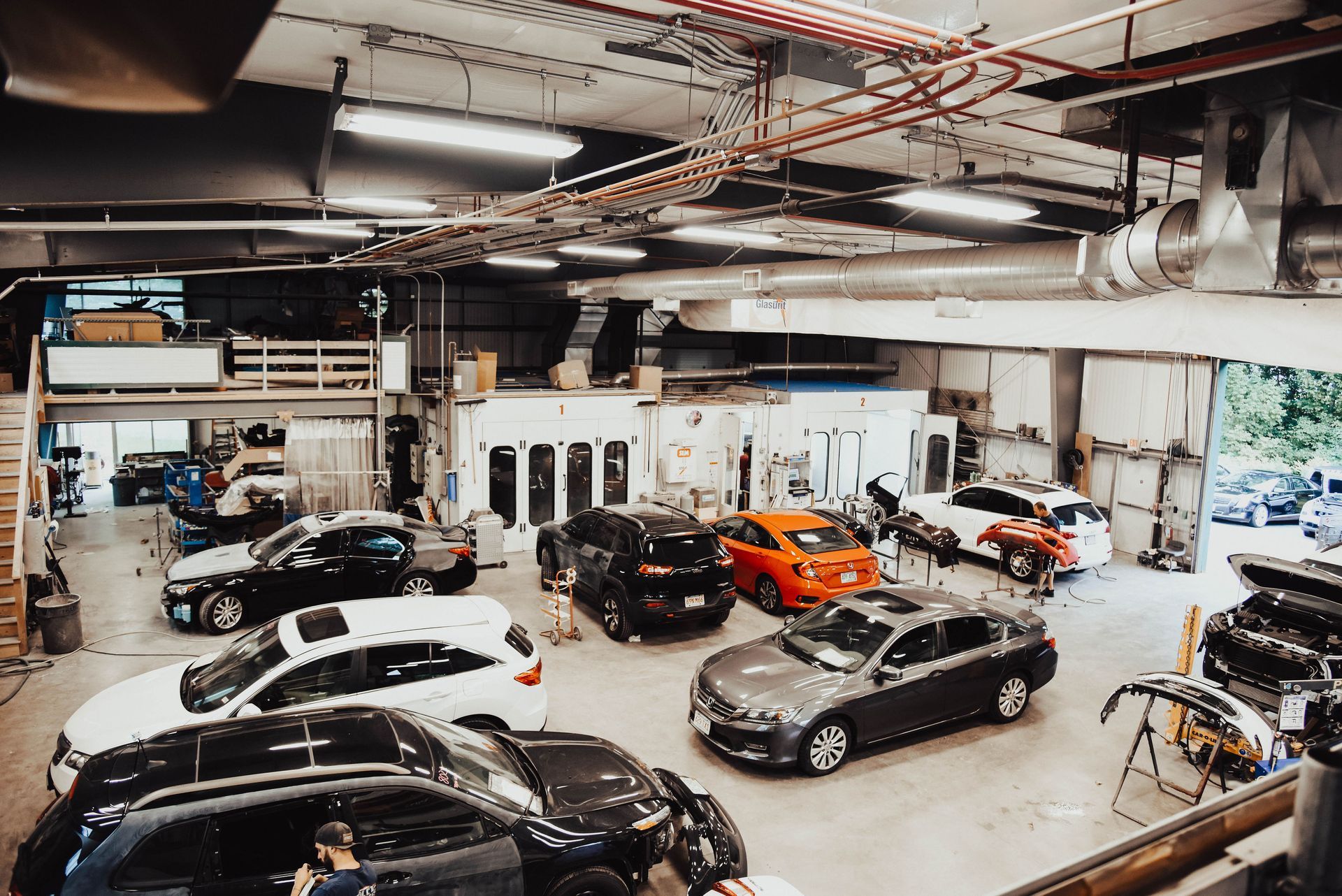
During repair planning, ask how the shop will examine the area behind the obvious impact. Depending on the damage, that discussion may include component mounting, cooling parts, wiring, diagnostic information, and wheel position. Car One has scanners, two frame machines, and alignment equipment, along with tire mounting and balancing capabilities. Those resources support specific diagnostic and repair tasks; having them does not mean every deer strike requires every operation. Ask what each proposed operation addresses on your car. If additional damage is documented, request an explanation connecting the new finding to the impact and the revised repair scope before discussing unrelated cosmetic work.
Before you collect the car
At pickup, review the completed work in relation to the original concern: the damaged corner, adjoining panels, lamps, and any symptoms you reported. Ask for an explanation of the repair paperwork and any finish care instructions that apply to newly painted surfaces. Car One offers direct billing, so clarify how the insurer's payment and your customer payment are being handled before closing out the visit. Retain the final documents with the photographs from the incident. If you later notice a specific difference, describe its location and circumstances to the shop rather than changing parts or attempting adjustments that could obscure the original observation.