
The visible damage is not the whole assessment
A fender-bender describes how an accident feels, not a measurement of the loads transmitted through a vehicle. Flexible bumper covers can conceal damage to reinforcements, mounting points, or nearby structural sections. Many passenger vehicles use a unibody structure, where connected body sections help carry loads, while other vehicles have a separate frame. The assessment needs to match that construction. Start with the impact location and what changed afterward. We examine the connected areas and use relevant measurements to distinguish a damaged outer panel from a displaced structural section. That process turns your observations into a specific repair discussion about the vehicle in front of us.
Watch for changes in fit
Panel fit provides useful observations when compared with the vehicle's condition before the collision. Notice a hood that now sits higher at one corner, a trunk opening with uneven gaps, or a door that needs different effort to close. Photograph the relationship between adjoining panels instead of capturing only the most obvious dent. Do not force a latch or adjust hinges to make the symptom disappear before the assessment. Fit changes can come from damaged panels, displaced hardware, or movement farther into the body. The purpose of your notes is to point the technician toward an area that needs examination, not to identify the cause from a gap alone.
Treat new driving behavior as a concern
New pulling, vibration, an off-center steering wheel, or a rubbing sound should be reported with the circumstances in which you first noticed it. Do not continue driving to reproduce a symptom if collision damage raises questions about control or structural condition; arrange an inspection and suitable transport. Describe an observation precisely: a vibration felt through the seat differs from a visible tire rubbing a liner. Avoid diagnosing every change as a bent frame. Tires, wheels, suspension, steering components, alignment settings, and body clearances can all contribute. Separating the symptom from the assumed explanation gives the assessment a stronger starting point and avoids narrowing the investigation too early.
Include wheels and tires in the conversation
Wheel and tire findings can help explain how an impact traveled beyond a bumper. A curb contact during the incident may affect a wheel even when the main body damage sits elsewhere. Tell the shop about that second contact and identify which wheel was involved. Car One has alignment equipment and tire mounting and balancing capabilities, allowing these subjects to be included in the repair discussion. Balancing addresses rotating imbalance; alignment concerns wheel angles. Neither operation, by itself, proves that the vehicle's structure is undamaged. Ask what inspection supports the proposed operation and whether a damaged component needs attention before any adjustment can be meaningful.
Ask how the structure will be assessed
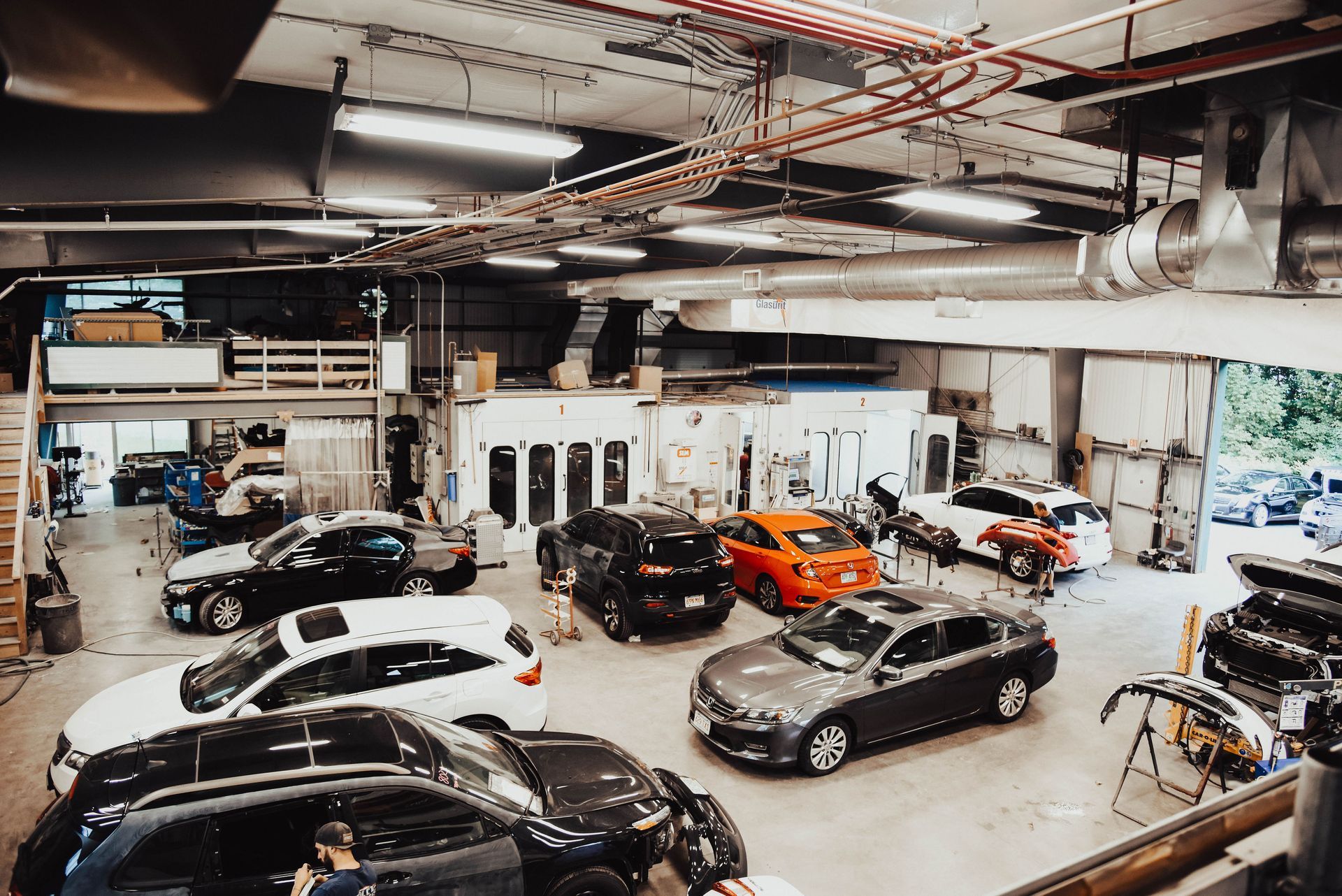
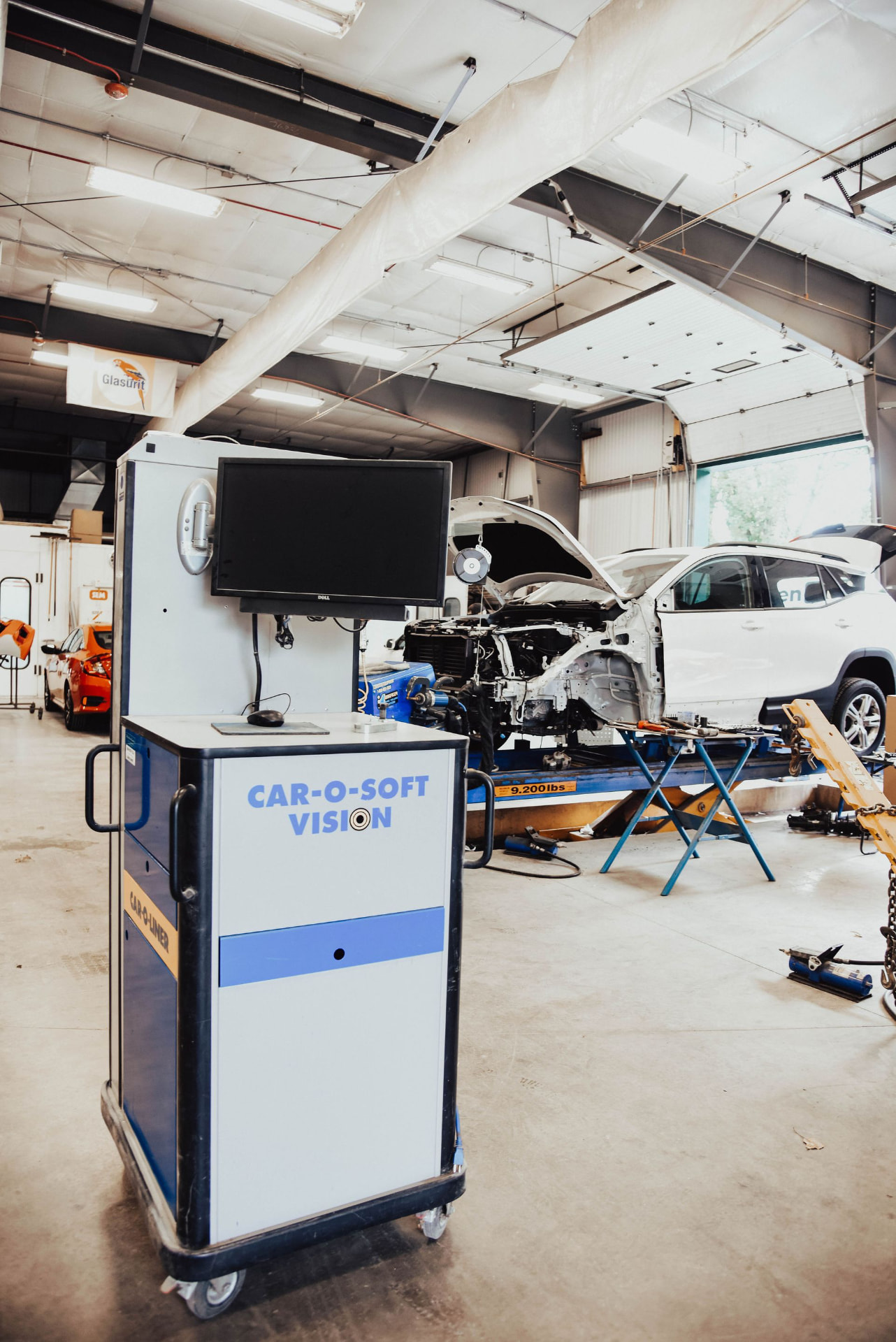
Structural assessment uses reference information and measurements rather than an impression that the car looks square. Ask which areas are being measured and how the findings compare with the specifications for that vehicle. Car One has two frame machines to support applicable structural repair work. A machine is a tool within a process: the repair plan still depends on the material, damage location, access, and the vehicle manufacturer's procedures. Some sections may be repairable, while other conditions call for replacement of specified components. Request an explanation of that distinction on your vehicle instead of assuming every displaced section can be handled through the same pulling operation.
Separate repair findings from claim decisions
Keep structural findings separate from administrative decisions about the claim. The shop's documentation should describe the damage and proposed repair operations; the claim representative handles the insurer's evaluation of those materials. Ask for understandable descriptions of any additional findings discovered during disassembly. If a repair approach changes, retain the revised paperwork and the explanation for the change. Avoid relying on a casual label such as minor damage when discussing a measured condition. Specific records are also more useful for future ownership questions because they explain what was examined and repaired without asking a broad term to stand in for the actual work performed.
Use diagnostic information alongside measurements
Electronic systems can add information to the physical inspection, but they do not substitute for it. A diagnostic scan can identify recorded faults and communication issues that need investigation after a collision. Car One has scanners, which support that part of the assessment. The absence of a dashboard warning does not measure rail position, and a stored fault code does not automatically explain a panel gap. Ask how electronic findings relate to the affected area and whether additional procedures are indicated for the equipment actually installed. Treat measurements, component examination, and diagnostic information as different evidence sources that need to be interpreted together rather than competing shortcuts.
Bring the observations to a real shop
Bring your observations to a shop visit with the impact description, photographs, and any earlier estimate. Car One provides free estimates at 55 Pelham Rd in Salem, New Hampshire, near Exit 2 off I-93, and has served the area since 2004. Mention prior collision repairs if you know about them, since older work may affect how current findings are interpreted. At the end of the assessment, ask what is established, what requires further access, and which next operation answers the remaining question. The strongest repair discussion moves from evidence to a defined action rather than from a worrying symptom straight to a sweeping conclusion about the entire car.